Medical Test
Medical tests are procedures that healthcare professionals use to diagnose, monitor, or screen for various medical conditions. These tests provide valuable information about a person's health status and guide medical decision-making. Here are some common types of medical tests:
Blood Tests:
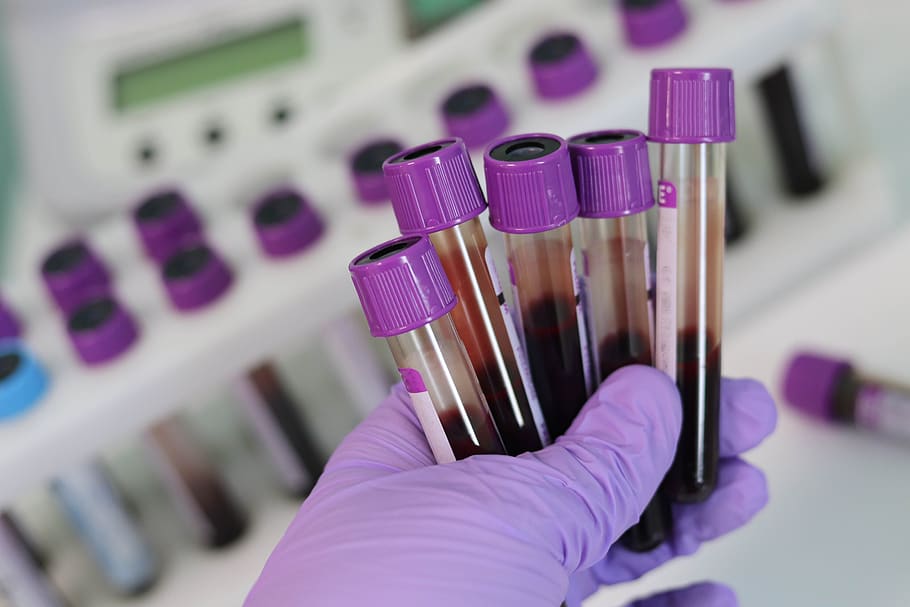
Blood tests, also known as blood work or blood panels, involve analyzing a sample of blood to measure various parameters. These tests can assess factors such as blood cell counts, glucose levels, cholesterol levels, liver and kidney function, electrolyte balance, and more.
Imaging Tests:
Imaging tests use technology to create images of the inside of the body, helping doctors visualize structures and identify abnormalities. Common imaging tests include X-rays, CT scans (computed tomography), MRI scans (magnetic resonance imaging), ultrasounds, and PET scans (positron emission tomography).
Biopsy:
A biopsy involves the removal of a small tissue sample from the body, which is then examined under a microscope to diagnose diseases such as cancer or certain infections. Biopsies can be performed on various tissues, including skin, organs, and tumors.
Endoscopy:
Endoscopic procedures involve using a thin, flexible tube with a camera and light at its end (endoscope) to examine the inside of the body. Examples include upper endoscopy (to visualize the upper digestive tract), colonoscopy (to examine the colon), and bronchoscopy (to view the airways and lungs).
Genetic Tests:
Genetic tests analyze an individual's DNA to identify genetic mutations or variations that may be associated with certain diseases or conditions. These tests can provide insights into a person's risk of developing specific illnesses or conditions.
Electrocardiogram (ECG or EKG):
An ECG measures the electrical activity of the heart and is used to diagnose various heart conditions, such as arrhythmias, heart attacks, and heart rhythm abnormalities.
Pap Smear and Mammogram:
Pap smears are used to screen for cervical cancer by collecting cells from the cervix. Mammograms are X-ray examinations of breast tissue used for breast cancer screening.
Stool Tests:
Stool tests analyze samples of feces to detect infections, bleeding, or other gastrointestinal issues. These tests can include fecal occult blood tests (FOBT) and tests for parasites or bacterial infections.
Lung Function Tests:
Pulmonary function tests (PFTs) assess lung function and can help diagnose conditions like asthma, chronic obstructive pulmonary disease (COPD), and other respiratory disorders.
Allergy Tests:
Allergy tests identify allergens that trigger allergic reactions. These tests can include skin prick tests and blood tests (such as the specific IgE test).
It's important to note that medical tests should be ordered and interpreted by qualified healthcare professionals based on an individual's symptoms, medical history, and clinical context.